


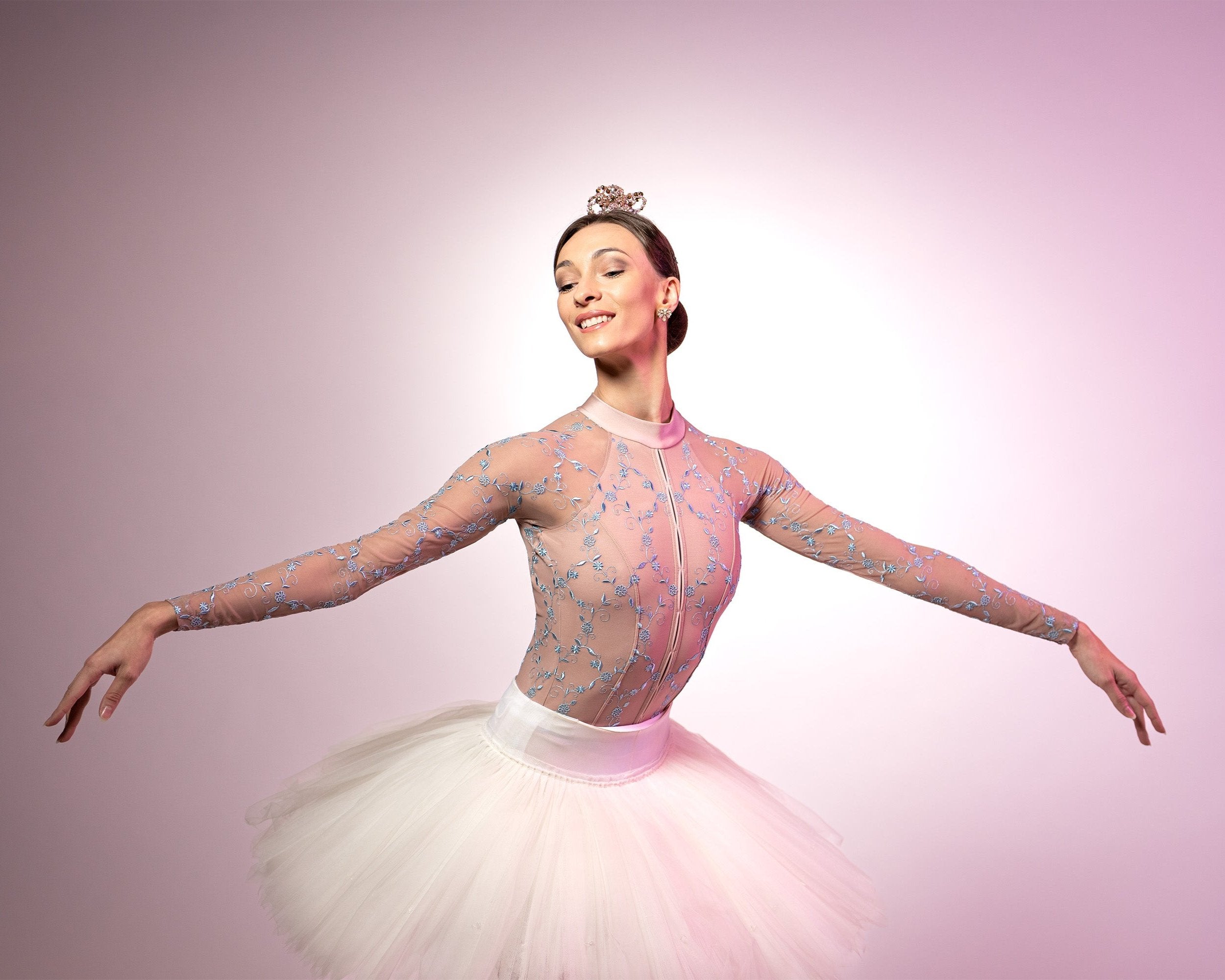




Every December, as festive lights illuminate cities and theatres welcome families for their holiday outings, The Sleeping Beauty returns as one of the season’s most cherished classics. Although not inherently a Christmas story, its universe of magic, benevolent fairies, ceremonies, and triumph of good over evil aligns beautifully with the spirit of winter celebrations. Alongside Čajkovskij’s The Nutcracker and Swan Lake, it has become a traditional highlight of the winter repertoire.
A Masterpiece Born from a Perfect Collaboration
Second in order of composition among Čajkovskij’s ballets, The Sleeping Beauty emerged from a remarkable artistic partnership between Ivan Vsevoložskij (libretto), Marius Petipa (choreography), and Čajkovskij (music).
Premiered at the Mariinsky Theatre in 1890, the ballet was an immediate triumph. With nearly four hours of music—including intermissions—it remains the composer’s longest and one of the most opulent works of the classical canon.
A Glimpse of Its Italian Legacy
Italy, too, has played a meaningful role in the ballet’s history. Teatro alla Scala embraced The Sleeping Beauty early on, staging notable productions across the decades, including Rudolf Nureyev’s celebrated interpretation. Today, the title returns to the Milanese stage in the lavish, Versailles-inspired designs created by Academy Award–winner Franca Squarciapino — a testament to the enduring splendour of this timeless ballet.

Photo Credits: Teatro alla Scala
From Stage to Soul: A Ballet That Continues to Inspire Dancers
Beyond its historical prestige, The Sleeping Beauty remains a defining ballet for artists around the world. For many dancers, Aurora represents not only technical excellence, but a profound emotional journey — one that bridges innocence, maturity, and the awakening of personal strength.
This is especially true for Olga Smirnova, one of the most celebrated ballerinas of our time.
Aurora According to Olga Smirnova: A Role of True Mastery
In reflecting on Aurora, Olga describes the character as:
“An awakening woman — cheerful, playful, a slightly overprotected young princess discovering the attention of men and the challenges life can bring.”
The soft rose tones traditionally associated with Aurora evoke innocence and youth, while elaborate decorative elements highlight her royal identity. Technically, the role is one of the most demanding in the entire classical repertoire:
“Every time I step on stage as Aurora, I take it as a true test of mastery for a classical ballerina.”

From Interpretation to Creation: The DellaLo’ × Olga Smirnova Collection
Inspired by the iconic roles that have shaped her artistic journey, Olga Smirnova has collaborated with DellaLo’ to create an exclusive special-edition dancewear capsule. Each leotard in the collection reflects the personality, elegance, and emotional world of a beloved classical heroine.
The Aurora Leotard
Born from the enchanting imagery of the 1890 ballet and the timeless grace of Princess Aurora, this leotard features regal lines, luminous colours, and delicate embroidery — a tribute to one of ballet’s most enduring fairytale characters.